The most controversial story I’ve published is that of Samuel Gist, an orphan educated at Bristol’s Queen Elizabeth Hospital School in the early 18th century. Most boys were apprenticed to local businesses but he was sent as a servant to a tobacco merchant in Virginia. On his master’s death he married his widow, becoming stepfather to 2 daughters. He was associated with George Washington and was his agent when Gist returned at the outbreak of the War Of Independence.
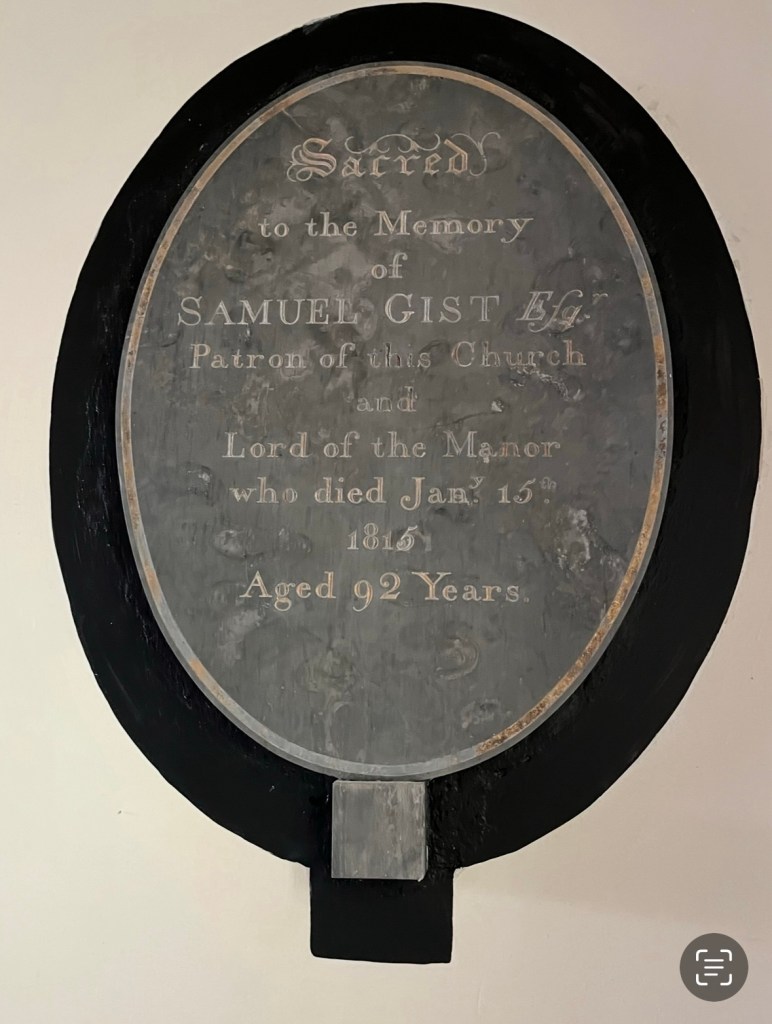
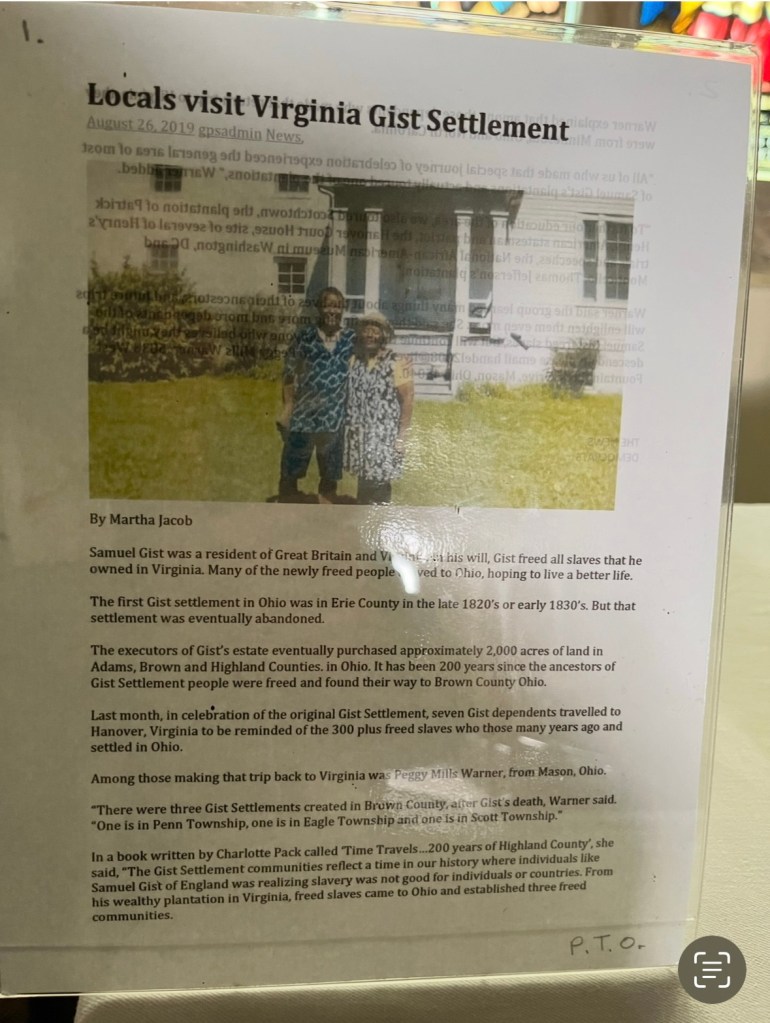
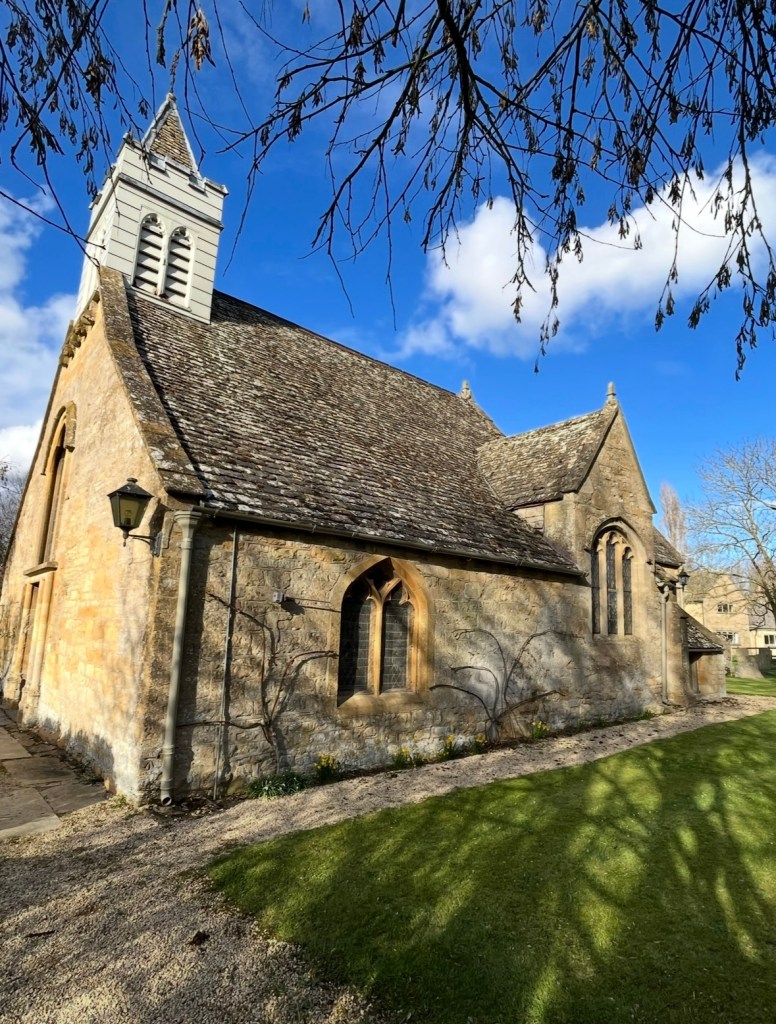
Gist became wealthy as a merchant and stockbroker. He made profits from marine insurance during the War Of Independence which is incredible. On his death he left money to many charities and famously, legacies to free and to support his former slaves. He is buried in a tiny Cotswold church where some descendants of his slaves visit. Several thousand descendants gather each year to celebrate his legacy.
Here’s the problem: in Bristol, Gist is vilified with all the other slave traders/owners. There is no room for context, no nuance for a man whose childhood was extraordinary and who had few choices in his early life. But in Virginia he is celebrated for his legacy to buy land for the slaves he freed, to care and to educate them.
The Cotswold Manor House near the small church was to become a charity school for poor country boys who would pray for Gist’s soul. So he was giving these local boys a chance to rise above poverty, just as he had been granted.
I try not to take sides in history. No matter how much I research, I can only see a small part of the whole. I sometimes wish I had a Time Machine so I could ask the dead why they acted in certain ways, what were they thinking, or hoping to achieve. To clarify behaviour I am forced to guess at.
But lack of detail is also part of the story’s attraction. We are fascinated by ‘what ifs’, the why’s and fine details. Supposition can lead us along some fascinating paths but without a Time Machine the reality remains illusive.
Context also matters. He didn’t have to work as hard as he did. He seems to have been driven by a need to help those who followed him.He was paying it forward before the term was invented.
I’ve been asked if I would have liked him and I doubt it. I can see little in common with this deeply conservative man. But he was a survivor in an age when death took so many people so young.
 barb drummond curious historian